

Global travel has been thrown into turmoil once again, with thousands of flights cancelled across Europe, the United States, the Middle East and parts of Asia — sparking what industry analysts are calling the worst travel chaos since the Covid crisis.
Airports are packed with stranded passengers sleeping on terminal floors. Airlines are scrambling to reposition aircraft and crews. Families are missing weddings, business travellers are missing crucial meetings, and holidaymakers are seeing long-planned trips unravel at departure gates.
From major hubs like Heathrow Airport and John F.Kennedy International Airport to regional gateways across Europe, the scale of disruption is staggering — and for many travellers, eerily reminiscent of 2020.
Scenes of Chaos at Major Airports

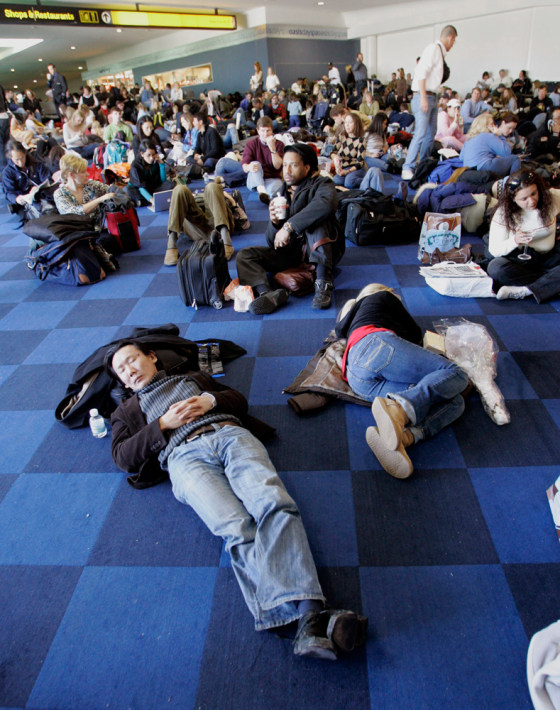

At Heathrow, departure boards have been dominated by the word “Cancelled.” Long queues snake through terminals as passengers wait hours for rebooking assistance.
Across the Atlantic at JFK, frustrated travellers have reported delays stretching beyond 12 hours, with limited information from airlines.
In parts of Europe, airports including Amsterdam, Frankfurt and Paris have experienced mass cancellations triggered by weather, staffing shortages and airspace restrictions.
The International Air Transport Association (IATA) estimates that over 8,000 flights were cancelled globally within 48 hours, with tens of thousands more delayed.
Why Are Thousands of Flights Being Cancelled?
Unlike the Covid crisis — when governments grounded fleets to curb the spread of the virus — today’s travel chaos stems from a perfect storm of overlapping pressures.
1. Severe Weather Disruptions
Storm systems across Europe and North America have grounded aircraft due to high winds, lightning and reduced visibility.When weather disrupts major hub airports, the knock-on effect spreads globally within hours.
Aircraft and crew rotations are tightly scheduled. If one flight is cancelled, it can affect multiple subsequent services across continents.
2. Airspace Restrictions and Security Tensions
Escalating geopolitical tensions in parts of the Middle East have forced airlines to reroute aircraft to avoid restricted airspace.Longer flight paths mean higher fuel use, crew duty complications and missed connections.
Airlines including Emirates, British Airways and Lufthansa have adjusted routes — causing delays that ripple across global networks.
3. Ongoing Staffing Shortages
Airlines cut tens of thousands of jobs during Covid. While travel demand has rebounded sharply, staffing levels in air traffic control, baggage handling and ground services remain stretched.
Airports in the uk news24x7, Germany and the US have reported sickness absences and recruitment gaps — particularly during peak holiday periods.
4. Aircraft Maintenance Backlogs
Supply chain disruptions have delayed parts deliveries, leaving some aircraft grounded for extended maintenance checks.Fewer operational planes means tighter scheduling and less flexibility during disruptions.
Is This Worse Than the Covid Travel Crisis?
While the causes differ, many industry observers argue that this is the most widespread operational meltdown since 2020.
During the pandemic, cancellations were planned and systemic.
